Sudan’s civil war and humanitarian crisis show no signs of slowing
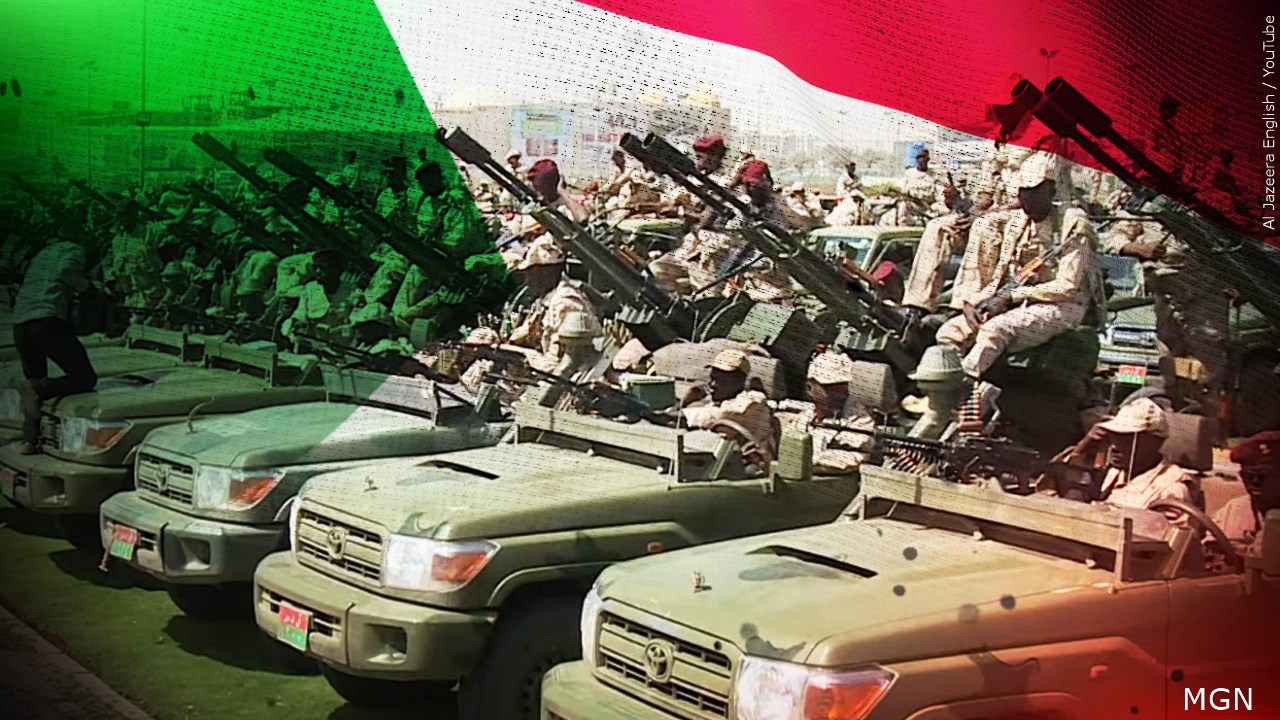
With the conflict between warring factions in Sudan showing no sign of abating, which is impacting different regions of the country, the humanitarian situation continues to deteriorate, with massive displacement of people and the collapse of essential services.
In a recent briefing, the African Union explained that Sudan “remains the world’s largest humanitarian crisis,” with over 30 million people, in a country of 48 million, in dire need of assistance.

“At least 150,000 people have been killed. More than 14 million have been displaced, with over 3 million fleeing to neighboring countries like Chad, Ethiopia and South Sudan.
Once a vibrant capital city, Khartoum is now a ‘burn-out shell,’” reported The Conversation, a nonprofit online news platform, in a June 2025 article, “Sudan: foreign interests are deepening a devastating war—only regional diplomacy can stop them.”
While the war is mostly framed as a “civil war” between the Sudanese Armed Forces (SAF) and the Rapid Support Force (RSF), it is instead shaped by extensive foreign interference that prolongs violence, according to the Atlantic Council, a Washington, D.C.-based think tank.
While foreign actors help drive Sudan’s suffering, an international effort to bring an end to the war—and bring needed aid to the people of Sudan—has been lacking. Unraveling the web of outside interests is essential to cultivating an adequate international response to this crisis, the Atlantic Council notes.
In 2024, the UN Security Council issued a report about accusations of UAE (United Arab Emirates) military support to RSF. The final report of the “Panel of Experts indicated that since the onset of the conflict, the RSF had been able to secure new supply lines to and through Darfur for weapons, vehicles, and logistics, including through eastern Chad, Libya and South Sudan.
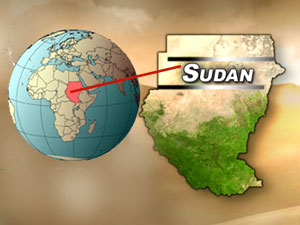
The report noted that the accusations leveled by the SAF that the United Arab Emirates (UAE) and Chad had provided military support to the RSF through Amdjarass were found credible.”
That same year, an opinion piece written in the London-based The Guardian, notes, among other things, that the Sudan is a “key to the UAE’s strategy in Africa and the Middle East.
Aims at achieving political and economic hegemony while curbing democratic aspirations.” These “democratic aspirations” include the right of the people of Sudan to elect, choose, and have a say in their leadership.
A more recent article by the Center For American Progress (CAP) called on the U.S. Congress to hold the UAE accountable in order to move toward a “peaceful end to the conflict.”
According to CAP, “The UAE is fueling the ongoing Sudanese crisis by providing military support—including arms shipments, weapons, and other military technology—to the paramilitary Rapid Support Forces (RSF) led by Mohamed Hamdan Dagalo, known as “Hemedti.”
International groups and Sudan officials have also accused the UAE of funding and arming the (RSF) in the war. The SAF is led by General Abdel Fattah al-Burhan.
Additional countries, including Egypt and Saudi Arabia, have reportedly played a role “with the UAE emerging as the foreign player most invested in the war,” noted theconversation.com. Many other countries have been accused of sending weapons to both sides of the conflict.
The Conversation explained that the UAE sees the “resource-rich, (including substantial gold reserves), strategically located Sudan as an opportunity to expand its influence and control in the Middle East and East Africa.”
The platform also stated, “Since 2018, the UAE has invested over $6 billion in the country. This includes foreign reserves in the Sudanese central bank, agriculture projects and a Red Sea port. The UAE has also recruited and paid fighters from Sudan, drawn mostly from the Rapid Support Forces, to join its (past) conflict in Yemen.”
The Conversation also blames the UAE for undermining Sudan’s transition to a democratic republic. “Following the ouster of long-serving President Omar al-Bashir, Abu Dhabi empowered both the army and the paramilitary force (RSF) against the civilian wing of the government. With the outbreak of the civil war, the UAE has focused on support of the RSF.
“UAE support appears to go hand in hand with RSF recent declaration of the formation of a parallel government.”
Hemedti had himself named as chair of the presidential council, and “Sudan People’s Liberation Movement-North chief Abdel Aziz al-Hilu was appointed as his deputy. Mohamed Hassan al-Taaishy, a former member of the Transitional Sovereignty Council and known ally of Hemedti … was named prime minister,” reported madamasr.com.
General al-Burhan and his military called the RSF “a proxy,” and accused this move by Hemedti of being “illegitimate and self-serving ambition to seize power.” Both the Arab League and the African Union also rejected the move by Hemedti.


Comments
Post a Comment